
Inkludio Training
Erasmus+ KA210
Small-scale Partnerships

From Theory to Writing a KA210 Application

Designed for new beneficiaries and small organisations that want to step into the world of Erasmus+

Zoom (breakout rooms)
Daily schedule
Up to 25
Per participant
ABOUT THE SEMINAR

The KA210 application from theory to practice.

An interactive online seminar that prepares you step by step for writing a complete KA210 application (Small-scale Partnerships). Ideal for those starting out with partnerships in Erasmus+ or seeking a simpler project with a smaller budget.

3

training days

12 hours

theory and hands-on practice

4

e-Workshops in groups for practice on the application's key parts

This is for you if...

It is the first time you are thinking of submitting an Erasmus+ application, or you are a less experienced organisation in European partnerships.

You are planning a partnership with at least one European partner and a budget of 30,000 or 60,000 euros.

You want comprehensive guidance to write an application with increased chances of funding.

CONTENT

Theory & practice. A complete journey into KA210.

Each module builds on the previous one. By the end you leave with full understanding and hands-on experience for writing a KA210 application with increased chances of funding.

KA210 Theoretical Framework

Analysis of the core framework of the KA210 application, with comprehension questions and scenarios after each module.

KA210 Award Criteria

Analysis of the award criteria of the KA210 application, with examples, comprehension exercises and clear links to the application questions.

KA210 vs KA220 Differences

Understanding the key differences between Small-scale Partnerships (KA210) and Cooperation Partnerships (KA220) — budget, duration, partners.

Relevance, Objectives and Priorities

Aligning your project with the European Priorities and the needs of the partner organisations.

Design and Activities

Formulating objectives and expected results. Designing activities with a clear link to the objectives. Phases of preparation, implementation and dissemination. Cost-effective allocation of resources per activity.

Partnership and Impact

Selection of partners, distribution of roles and coordination mechanisms. Dissemination of the project results to the organisations, the participants and the wider community.

After the seminar, you will be able to:

Understand the framework of Key Action 2 and the rationale of Small-scale Partnerships

Choose correctly between KA210 and KA220 based on the needs of your organisation

Think like an evaluator and know the award criteria of the application

Align your project with the European priorities

Formulate objectives and design activities with a clear link to the expected results

Describe your partnership by documenting the role, expertise and contribution of each partner

Write a complete KA210 application with real chances of funding

How we work together

The seminar combines theoretical presentations with hands-on group practice, using breakout rooms on Zoom.

Day 📘 Theory Day 1 — Laying the foundations
Laying the foundations

KA210 Theoretical Framework and Comparison with KA220

Presentation of the KA210 action, with reference to eligible organisations, project duration, the 30,000 and 60,000 euro grant packages and European partners. Presentation of the four phases of a KA210 project, from design to follow-up. Comparison of the two Partnership actions (KA210 and KA220), with criteria for selecting the appropriate action for each organisation.

Day 📘 Theory Thinking like evaluators
Day 2 — Thinking like evaluators

The Four Award Criteria and the Structure of the Application

In-depth presentation of the award criteria. Analysis of all KA210 application questions, with a suggested answer structure and a link from each question to the criterion it addresses. Examples and comprehension exercises showing how an evaluator thinks when reading an application.

Day 📘 Hands-on practice

Objectives, Relevance and Activity Design

Group practice with specially designed worksheets for: formulating objectives aligned with the European priorities and the needs of the organisations and target populations, designing activities with a clear link to the objectives and expected results, allocating the grant per activity and per partner ensuring cost-effectiveness.

Day 📘 Hands-on practice Moving to practice
Wrapping up

Partnership, Dissemination of Results, Sustainability and Impact

Group practice with specially designed worksheets for: selecting partners with complementary profiles, distributing roles and organising coordination mechanisms of the partnership, designing dissemination of the results within the organisation, to other bodies and to the wider community, integrating the results into the daily operation of the organisations to ensure sustainability and impact. Synthesis and feedback.

TRAINER
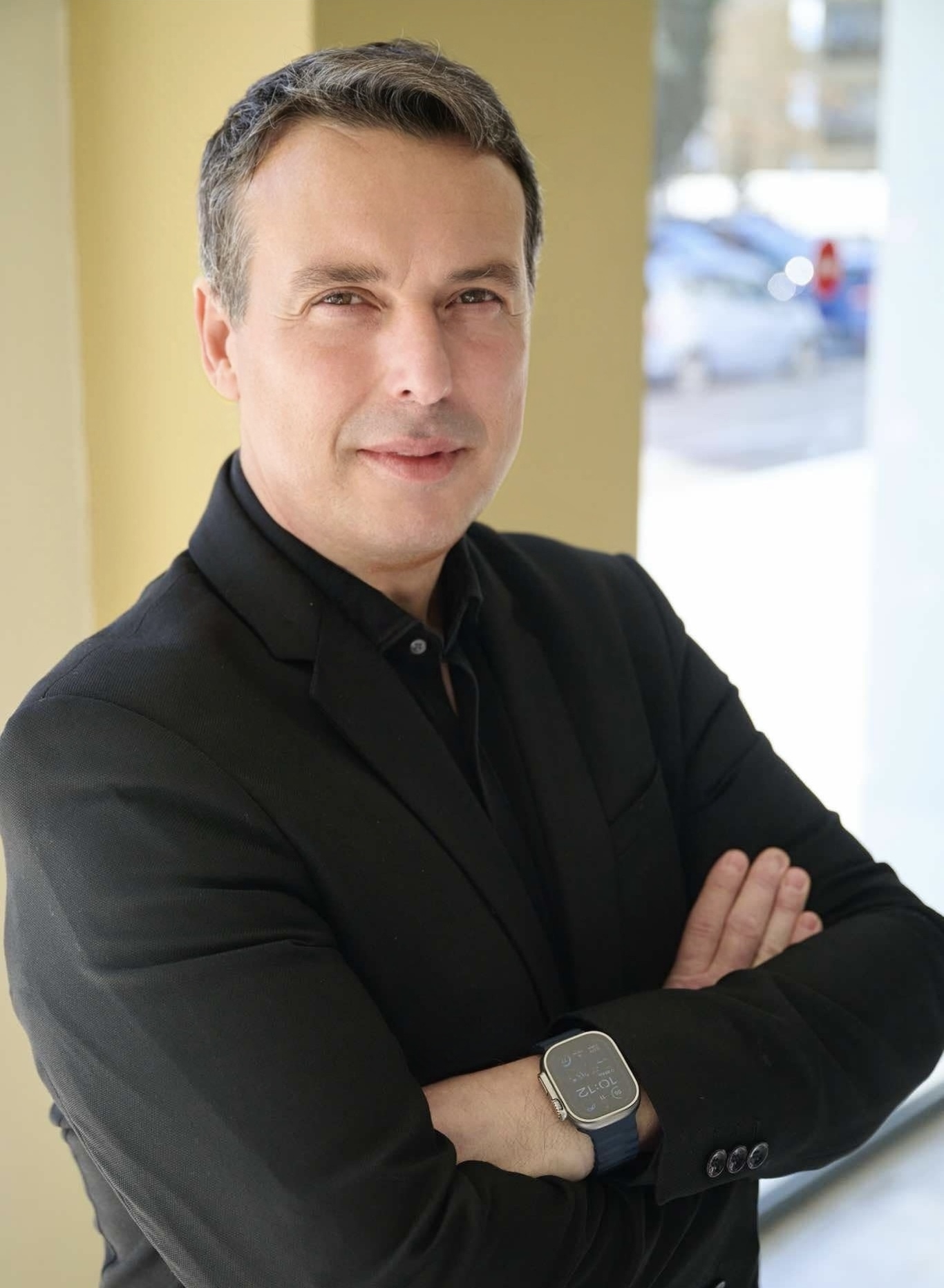
Tasos Barmpas

Tasos Barmpas

Trainer · Inkludio Training

Tasos Barmpas is the founder of Inkludio Training and specialises in the design, writing and management of European Erasmus+ programmes. He has extensive experience as a consultant and trainer in Key Action 1 (Learning Mobility of Individuals) and Key Action 2 (Partnerships among Organisations and Institutions) applications. He knows application evaluation not as theory but as a real-world process, having helped dozens of organisations submit successful applications with high scores. His approach combines theoretical training with practical application, giving participants the tools to independently write a complete and competitive application.

Interested in this seminar? Get in touch.

Request contact