
Short-term Mobility Project Management (KA122)
From mobility planning to submitting the final report. Comprehensive training for organisations implementing a short-term Erasmus+ KA122 mobility project.
Implementing your KA122 doesn't require stress.
It requires a system and new, modern tools.
A seminar for organisations implementing a short-term KA122 mobility project. From mobility planning to submitting the final report, with practical group exercises, training in the use of artificial intelligence and presentation of implementation tracking tools.
4
training days
16
hours of theory and practice
4
group e-Workshops
This is for you if...
Your organisation is starting the implementation of an approved KA122 mobility project. You want to understand the framework, the Erasmus Quality Standards and the implementation phases.
You want to modernise the management of your project with the use of artificial intelligence and digital tools for finding partners, tracking expenses and evaluating learning outcomes.
You are reaching the end of your project. You need guidance on writing the final report to the National Agency and documenting its impact.
Theory and practice. A complete journey into managing KA122.
Each module builds on the previous one and extends it. By the end you gain full understanding and hands-on experience in managing a complete KA122 cycle, with system and digital tools.
KA122 Framework and Erasmus Quality Standards
The operational framework of a KA122 project as a short-term Erasmus+ mobility action lasting six to eighteen months, with a defined grant and a single final report. Application of the Erasmus Quality Standards in the implementation of your project.
Mobility Planning and Practical Organisation
How to plan and organise the mobilities of your project, in direct connection with the objectives and priorities of Erasmus+. Practical organisation of travel, accommodation, insurance and cultural preparation of participants.
Selection of Participants and Host Organisations
Criteria and procedures for selecting participants based on their profile and the objectives of the mobility. Identifying and assessing suitable host organisations and training providers abroad.
Financial Management
Managing the budget and allocating resources in line with the funding rules of the Erasmus+ programme. Systematic archiving of expense documents and presentation of digital tools for tracking expenses and activities.
Impact Evaluation and Dissemination
How to evaluate the learning outcomes and the impact of your project on your organisation. Planning internal and external dissemination of results to colleagues and relevant stakeholders.
Final Report to the National Agency
Writing the final report in line with the criteria of the Programme Guide and the requirements of the National Agency. Documenting learning outcomes, expenses and the impact of the project.
Artificial Intelligence in KA122 Management
How to use artificial intelligence tools such as ChatGPT and Claude, with tested prompts for finding suitable host organisations, evaluating mobilities and analysing learning outcomes.
After the seminar, you will be able to:
Understand the KA122 framework and apply the Erasmus Quality Standards in implementing your project.
Plan mobilities with purpose and impact, leveraging artificial intelligence to find suitable host organisations.
Organise participant selection and the practical aspects of mobilities: travel, accommodation, insurance and cultural preparation.
Manage your project's budget and supporting documents using digital tools for tracking expenses and activities.
Evaluate the learning outcomes and impact of your project using proven prompts on ChatGPT and Claude.
Write the final report to the National Agency, fully documenting the outcomes, expenses and impact of your project.
How we work together
The seminar combines theoretical presentations with practical group exercises in Zoom breakout rooms.
KA122 framework and Erasmus Quality Standards
Presentation of the framework of a KA122 project as a short-term mobility action under the Erasmus+ programme. Analysis of the Erasmus Quality Standards and their application in implementing your project.
Mobility planning and practical organisation
Planning mobilities based on your project's objectives and selecting participants, using AI tools to find suitable host organisations. Practical organisation of travel, accommodation, insurance and cultural preparation, with group exercises.
Financial management and digital tools
Budget management, resource allocation and archiving of expense documents according to the Erasmus+ funding rules. Presentation of specialised digital tracking tools, with practical group exercises.
Evaluation and submission of the final report to the National Agency
Evaluating the learning outcomes and impact of your project with the help of AI tools. Designing the internal and external dissemination of results and writing the final report to the National Agency, with practical group exercises.

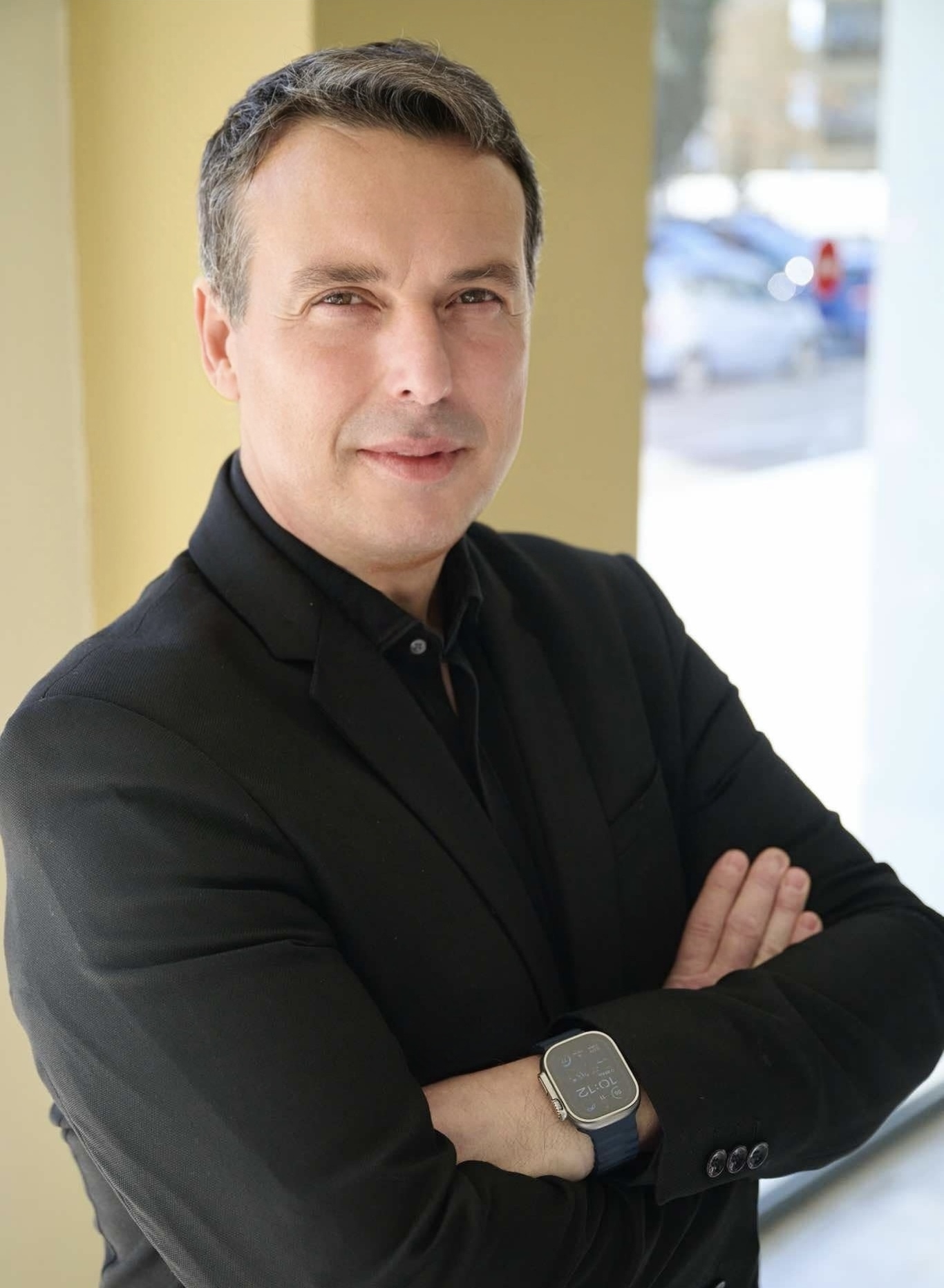
Tasos Barmpas
Trainer · Inkludio Training
Tasos Barmpas is the founder of Inkludio Training and specialises in the design, writing and management of European Erasmus+ programmes. He has extensive experience as a consultant and trainer in Key Action 1 (Learning Mobility of Individuals) and Key Action 2 (Partnerships among Organisations and Institutions) applications. He knows application evaluation not as theory but as a real-world process, having helped dozens of organisations submit successful applications with high scores. His approach combines theoretical training with practical application, giving participants the tools to independently write a complete and competitive application.